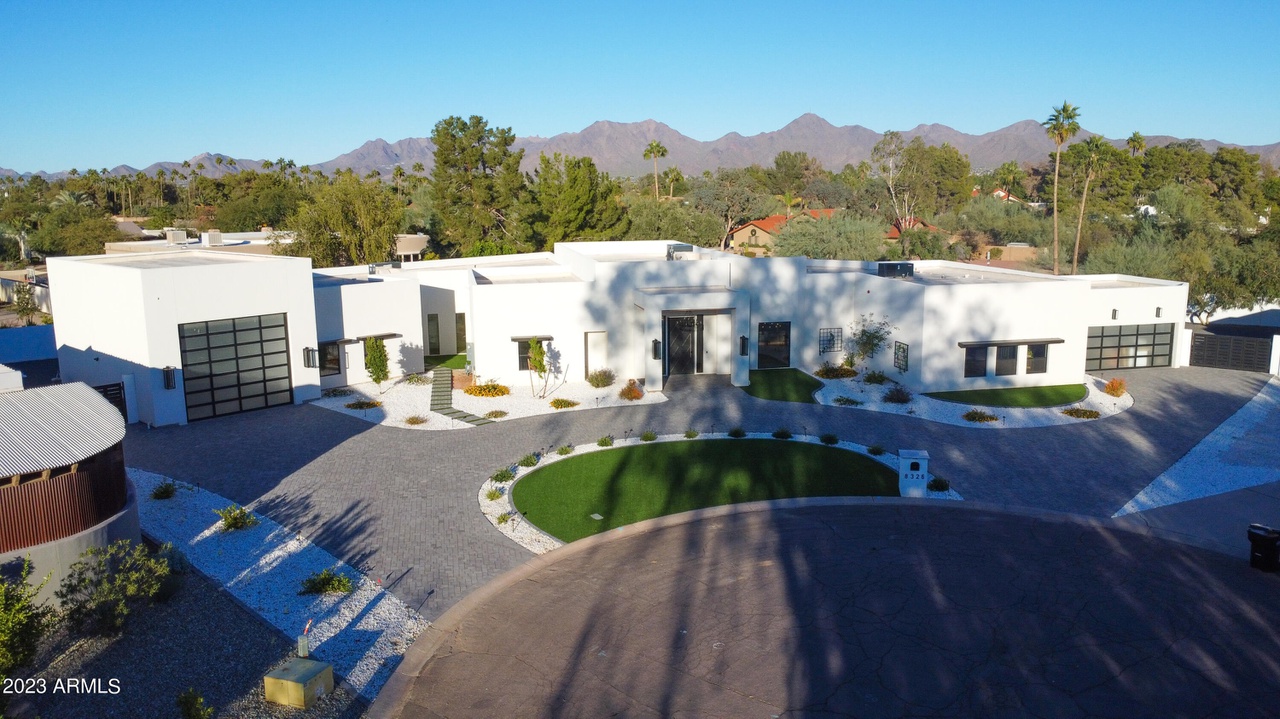
Flat roof systems are a popular choice for many buildings in the Denver area due to their affordability, versatility, and aesthetic appeal. Flat roofs have a minimal slope, unlike pitched roofs, making them ideal for commercial, industrial, and residential structures.
When it comes to flat roof systems in Denver, there are several key components to understand:
Understanding these basic components is essential for maintaining and repairing flat roofs in Denver. By having a solid foundation of knowledge, you can effectively communicate with roofing professionals and make informed decisions regarding the maintenance and repair of your flat roof system.
Regular maintenance is critical to ensure the durability and longevity of your flat roof in Denver. While flat roofs are known for their durability, they are not immune to wear and tear caused by the elements and other factors.
Regular maintenance helps to identify and address any issues or potential problems before they escalate into larger, more costly repairs. By staying proactive with maintenance, you can extend the lifespan of your flat roof and save yourself from expensive repairs in the long run.
Here are some of the reasons why regular maintenance is crucial for flat roofs:
To properly maintain your flat roof, hiring a professional roofing contractor specializing in flat roof systems is recommended. They have the expertise and knowledge to perform thorough inspections, identify potential issues, and provide the necessary repairs or maintenance.
Remember, regular maintenance is an investment that can save you time, money, and headaches. By taking care of your flat roof with regular inspections and maintenance, you can ensure its longevity and protect your property from potential damage.
Flat roofs are a popular choice for many properties in Denver due to their durability and cost-effectiveness. However, over time, they can develop issues that require immediate attention to prevent further damage. Here are some common signs that indicate you need flat roof repair:
It's important not to ignore these signs as they can worsen over time and result in costly repairs or roof replacement. If you notice any of these issues, it's recommended that you consult a professional flat roof repair specialist in Denver to assess the extent of the damage and provide appropriate solutions.
Hiring a reputable roofing contractor can ensure a seamless, high-quality flat roof repair. These professionals have the knowledge, experience, and specialized tools to handle various flat roof issues. When selecting a roofing contractor, consider their reputation, certifications, and customer reviews.
When it comes to flat roof repair in Denver, finding the right roofing contractor is crucial for a successful and long-lasting solution. Here are a few factors to consider when choosing a roofing contractor:
By considering these factors and conducting thorough research, you can choose a reliable Denver roofing contractor who will deliver high-quality flat roof repair services. Remember, investing in the right contractor today can save you from costly repairs in the future.

When it comes to flat roof repair in Denver, understanding the repair process can help homeowners and commercial property owners feel more informed and prepared. While the specifics may vary depending on the extent of the damage and the chosen roofing contractor, there are vital steps typically involved in the flat roof repair process.
1. Roof Inspection: The first step in any flat roof repair is a thorough inspection of the roof to assess the extent of the damage. This involves identifying areas of concern, such as cracks, leaks, or loose or damaged roofing materials.
2. Diagnosis and Assessment: Once the roof inspection is complete, the roofing contractor will diagnose the underlying issues and assess the repair work needed. This includes determining the specific repair techniques and materials required.
3. Preparation and Material Gathering: Before the repair work can begin, the necessary materials, tools, and equipment will be gathered. This ensures that the repair process can proceed smoothly and efficiently.
4. Repair Execution: The repair work will begin once the preparation is complete. This may involve various tasks such as patching or replacing damaged roof sections, sealing cracks and leaks, reinforcing weak areas, or applying protective coatings.
5. Quality Assurance: After the repairs have been carried out, a quality assurance check will be conducted to ensure that the repairs have been completed to the highest standards. This helps to prevent future issues and ensures the longevity and durability of the repaired flat roof.
6. Clean-up and Site Restoration: Finally, the roofing team will clean up the work area, removing any debris and ensuring that the site is clean and tidy. This includes removing old roofing materials and any waste generated during the repair process.
By understanding these critical steps in the repair process, property owners can better understand what to expect during a flat roof repair in Denver. It's essential to consult with a professional roofing contractor who can provide expert guidance and perform the repair work efficiently and effectively.